

EquGenomics AI — From Video to Phenotype
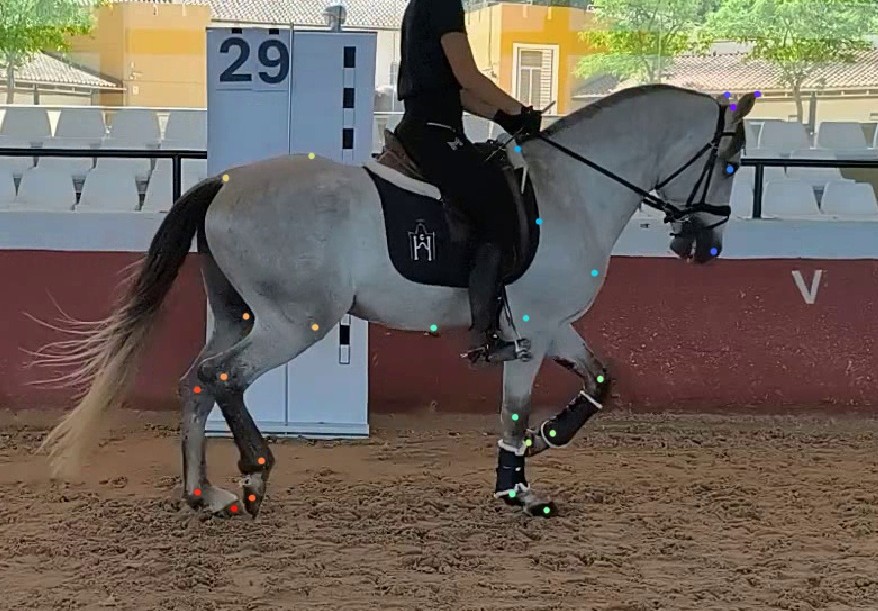
Transforming Horse Analysis through Artificial Intelligence
At the MERAGEM research group of the University of Córdoba, we develop vision and artificial intelligence technologies capable of turning a simple video of a horse into objective, quantifiable, and reproducible information about its morphology and locomotion.
Who We Are
MERAGEM is a research group at the University of Córdoba specializing in genetics, reproduction, and artificial intelligence applied to the equine sector. We develop innovative technologies that turn biological data and images into objective tools for decision-making.
Through the EQUGENOMICS project, we combine computer vision, biomechanical analysis, and genetics to develop tools aimed at improving selection, performance, and the welfare of horses.
Our mission is to digitalize phenotypic assessment, replacing subjective measurements with precise metrics that support decision-making in breeding, genetic selection, training, sports medicine, and animal welfare.
The Problem We Address
Currently, the assessment of movement and conformation largely depends on the evaluator's experience. Although expert judgment is essential, it has inherent limitations: variability between judges or evaluators, difficulty in quantifying small changes, limited standardization between centres and countries, and, above all, the inability to make objective use of large volumes of information or to obtain phenotypic values for animals that do not participate in competitions. Artificial intelligence overcomes these limitations by generating consistent, comparable data at scale.
Our Aim
Our aim is to obtain, automatically and through artificial intelligence, objective information about a horse's physical characteristics and manner of movement. Assessments of a horse's conformation, movement, or performance have traditionally relied on the trained eye of an individual, which is valuable but can vary from one person to another and from one day to the next. Our purpose is to complement that experience with consistent, repeatable measurements, so that the same horse can always be described and compared in the same way.
Why It Matters
Having objective, well-documented information allows for better-informed decisions in areas such as breeding, training, and the general monitoring of a horse's wellbeing over time. It can also help detect, at an early stage, changes in movement that might otherwise go unnoticed. Our intention is for this technology to be a supportive tool alongside the professional judgment of veterinarians, breeders, and caretakers, and never a substitute for it.
Value for the Industry
This technology opens new opportunities for companies and organizations in the equestrian sector, including the objective evaluation of breeding animals, support for genetic improvement programs, tracking a horse's development throughout its life, early detection of locomotor abnormalities, and the generation of digital biomarkers for research and selection, among others. We believe that combining artificial intelligence, computer vision, and genetics will mark a new generation of tools for the equine industry.
Our Commitment
All image acquisition is carried out with respect for animal welfare and without interfering with the horses' routine. The data obtained is managed under scientific, ethical, and data-protection criteria, ensuring it is used exclusively for research, innovation, and technological development.
Who We Work With

Yeguada de la Cartuja Hierro del Bocado
Jerez de la Frontera, Spain

Real Escuela Andaluza del Arte Ecuestre
Jerez de la Frontera, Spain

The National University of La Plata
La Plata, Argentina
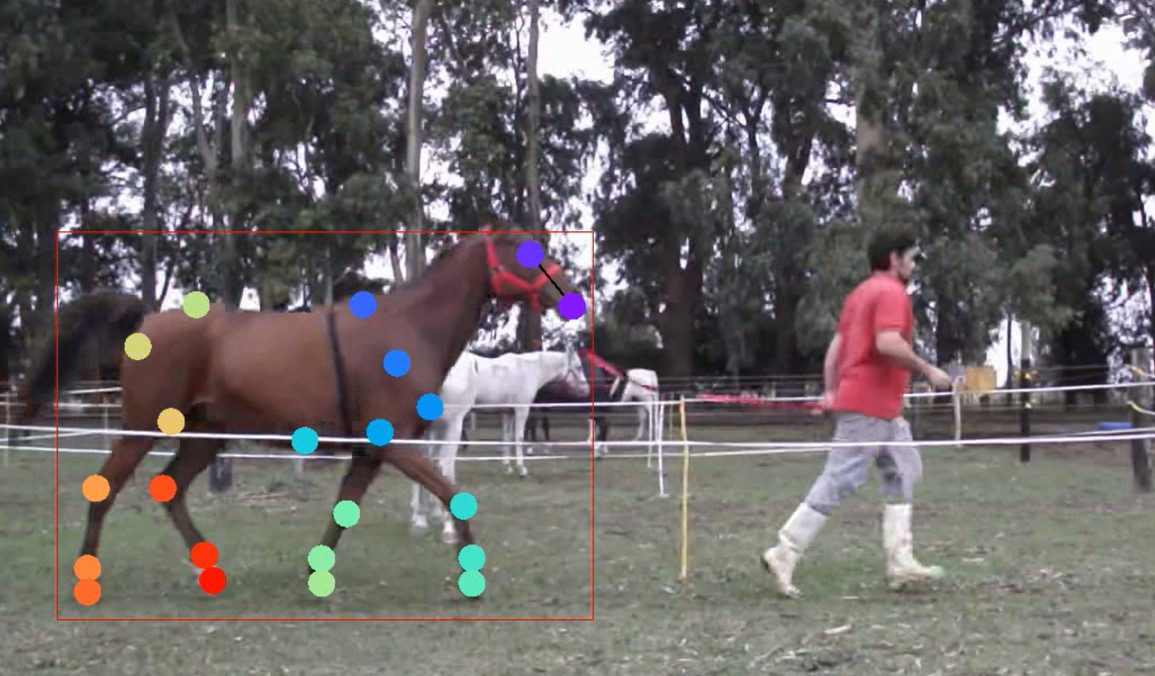
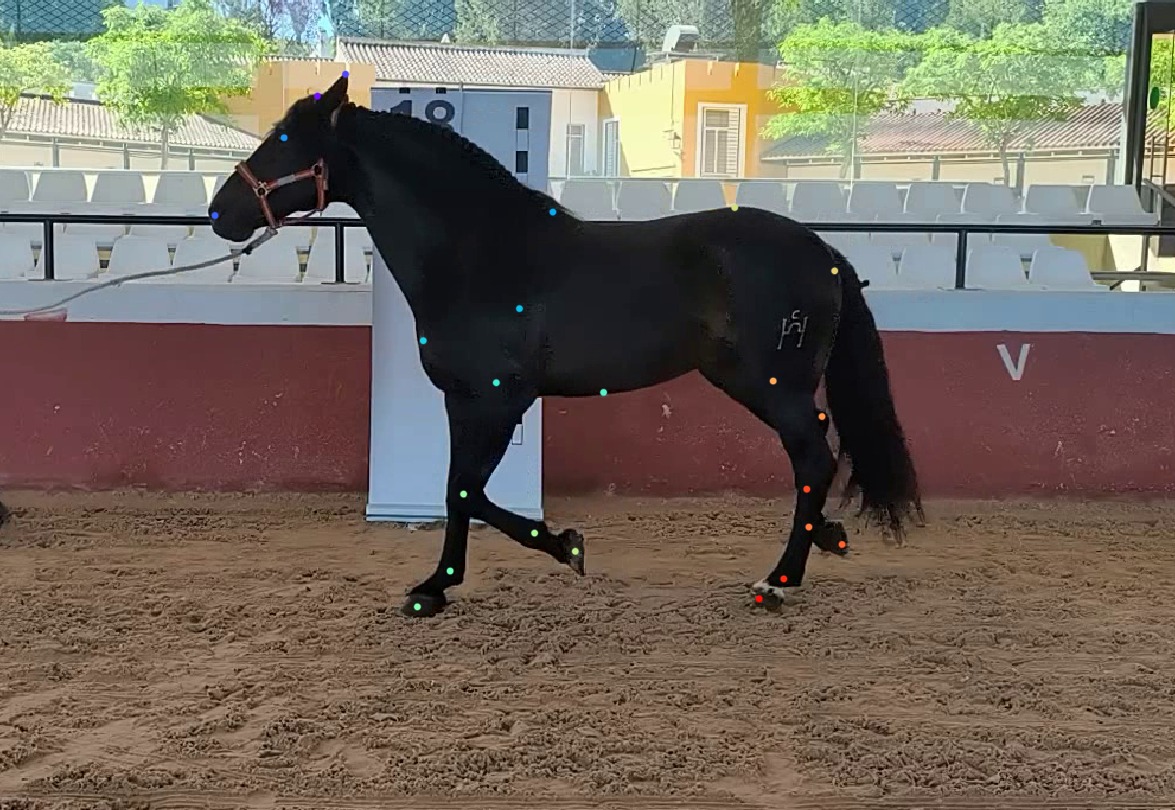
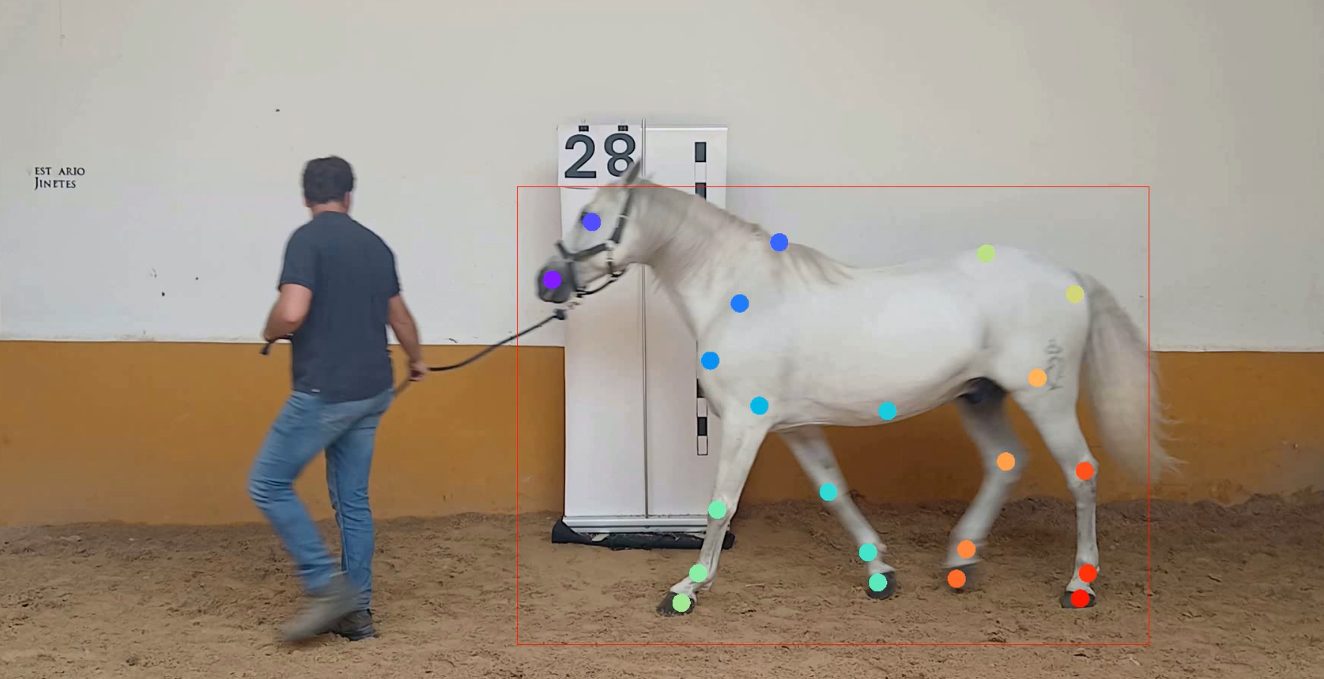
Sample footage
Recording session at the Royal Andalusian School of Equestrian Art. Footage of this kind is the raw input from which the models extract movement phenotypes.
Selected publications
- Azcona F. et al. (2024) Genomic tools for early selection among Thoroughbreds and Polo Argentino horses for practising polo. Journal of Equine Veterinary Science.
- Gómez M.D. et al. (2020) Phenotypic and genetic analysis of reproductive traits in horse populations with different breeding purposes.
- Sánchez-Guerrero M.J. et al. (2019) Morphological and genetic diversity of the Pura Raza Española horse with regard to coat colour.
See the full publication list →
Research lines behind this project
Team
A joint effort of the Applied Animal Genomics and Cytogenomics Lab (University of Córdoba) and the Equine Morphokinetic Lab led by Dr. Pablo Trigo at the National University of La Plata, with footage recorded at the Yeguada de la Cartuja and the Royal Andalusian School of Equestrian Art.
Status and funding
Active. Recording sessions were completed in 2026 at the Yeguada de la Cartuja and the Royal Andalusian School of Equestrian Art; model development on the collected footage is under way.
Send us a video
We still need videos of horses to improve our model. You can contribute anonymously by sending us videos of horses from a side view, walking or trotting.
Interested in collaborating on this project, or in a PhD or Masters project around it? Write to sebass@uco.es.
Contact


